
"The fact that we've quantified the influencer network is so helpful. Leveraging it is brilliant, we need to take advantage of that right now." That's from a COO running post-merger integration at a PE-backed defense technology platform, two weeks ago. Three acquisitions, one management team, board scrutiny every quarter. We ran an Execution Pulse across the combined company and surfaced the influencer network. The reaction was not relief that the integration was on track. It was recognition that she finally had a lever she could pull.
That distinction matters. Most PMI reporting tells a sponsor whether integration is going well. It rarely tells the operating team what to do differently on Monday. The influencer network does both, which is why it lands the way it does with operators who have already sat through a few integration reviews that produced a status color and nothing else.
Why integrations stall even when the org chart is clean
Three acquisitions in, the org chart looks resolved. Reporting lines are drawn, titles are reconciled, the management team has a single structure on a slide. None of that tells you who the combined company actually listens to.
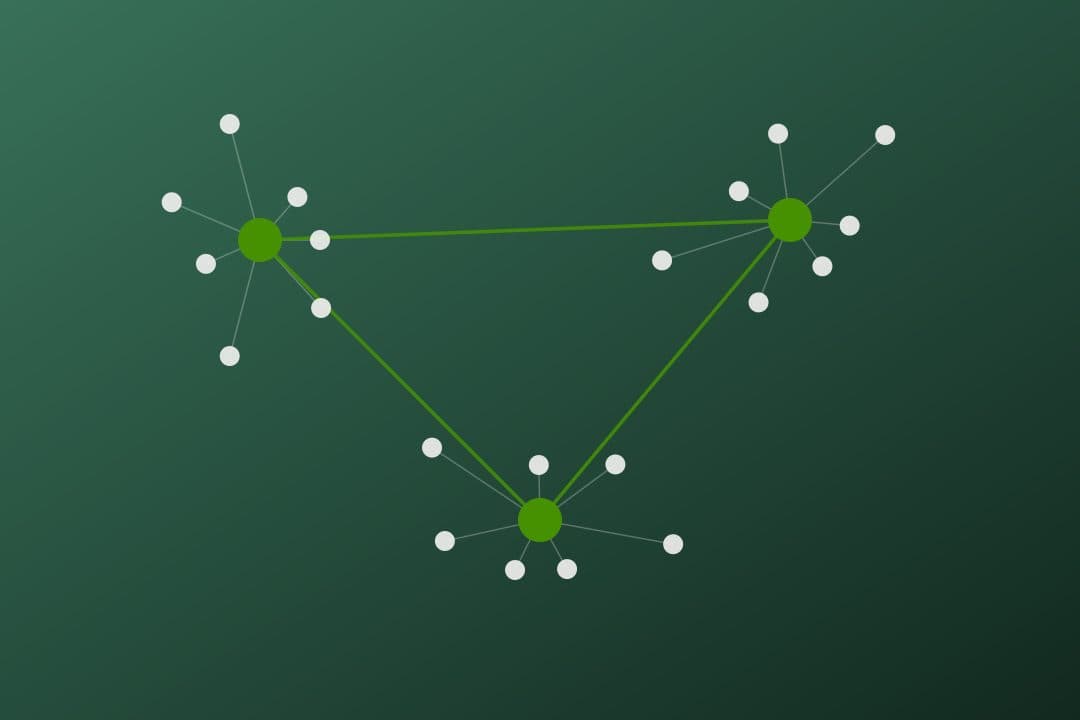
Formal authority merges on paper in a quarter. Trust does not. Each acquired company arrives with its own informal network: the engineer everyone checks with before a design decision ships, the ops lead people call when a customer escalation gets ugly, the mid-level manager whose read on a directive determines whether three teams execute it or slow-walk it. Post-merger, those networks do not automatically link up. They sit next to each other, often with almost no bridge between them, while the org chart implies they were fused on day one.
That gap is where integrations stall. A directive goes out from the combined leadership team, moves cleanly through the org chart, and then hits silence in a business unit because nobody in that unit's actual trust network has signed on. The COO does not see a structural problem. She sees inconsistent adoption, slower-than-planned synergy capture, and a board asking why integration milestones are slipping when the reporting lines look fine. The plan was never wrong. It was routed through a network that did not exist yet.
What organizational network analysis actually shows you
This is the problem organizational network analysis is built to solve, and it is different from most of what shows up in an integration dashboard. ONA does not ask people to rate their engagement or rank their satisfaction. It maps who people actually go to for information, for a real read on a decision, and for a gut check before committing to something new. Run across a combined company, three months or three quarters into an integration, it produces a picture no org chart can: which people carry weight across former-company lines, where the acquired units are still operating as three separate trust networks wearing one logo, and which managers hold influence that has nothing to do with their title.
For a PE-backed platform running three acquisitions on one leadership structure, that picture answers the specific question the deal thesis depends on: is this actually becoming one company, or is it a holding structure with a shared reporting line. Org charts cannot answer that. Engagement scores cannot either. The network can, because it shows where information and trust actually flow versus where they stop at a former company's boundary.
Sequencing integration around the network you actually have
Once the network is quantified, integration sequencing changes in ways that are concrete rather than aspirational.
First, change adoption gets targeted instead of broadcast. Rather than pushing a new process or system to every location at once and hoping it sticks, the operating team can identify the specific people whose endorsement will carry a business unit and bring them in early, as participants in shaping the rollout rather than recipients of an announcement. That is the mechanism behind the COO's instinct to "take advantage of that right now": the network tells her exactly who to enlist first, unit by unit, instead of guessing based on title.
Second, cross-acquisition bridges get built on purpose. If the ONA shows that the network from Acquisition A and the network from Acquisition B never intersect, that is not a detail. It is the reason a decision made in one unit never reaches the other with any credibility attached. Deliberately pairing influencers across the former companies, on integration task forces, in joint initiatives, on customer accounts that span both, is how you build the connective tissue that a reporting-line merger cannot manufacture on its own.
Third, the risk conversation with the board changes shape. "Integration is progressing" is a status update. "We have identified the influencers driving adoption in each of the three legacy organizations and we are sequencing the systems rollout around them" is a plan a board can actually evaluate, and it holds up under the quarterly scrutiny a defense technology platform draws.
What this means for operating partners running PMI
If you are an operating partner overseeing integration across a platform built through acquisition, treat the influencer network as infrastructure, not a nice-to-have data point. A handful of things follow directly.
Run the read early enough to inform sequencing, not late enough to just explain why milestones slipped. The value is in front-loading adoption risk, not diagnosing it after the fact.
Look specifically for cross-acquisition bridges, or the absence of them. A platform with three strong internal networks and zero connections between them is not one company yet, regardless of what the reporting structure says.
Use the influencer list as a working document for the integration team, not a report that gets filed. The COO's read was correct: this is only valuable if it changes what the leadership team does next.
And treat this as core diligence and operating discipline for PE-backed platforms generally, not a defense-sector or one-off exercise. Any add-on strategy runs into the same problem: authority merges fast, trust does not, and the network is the thing that tells you the truth in between. The same logic that identifies hidden influencers in a single company, covered in more detail in our piece on engaging an organization's hidden influencers, applies with more force across a combined entity, because the stakes of getting adoption wrong multiply with every acquisition layered on.
The org chart tells you what should happen. The influencer network tells you what will.
This article expands on a LinkedIn post by Brad Smith, Ph.D.